
Canggu Hotel Design Explained: How Architecture Shapes Your Day
Understanding the Core Principles of Canggu Hotel Design
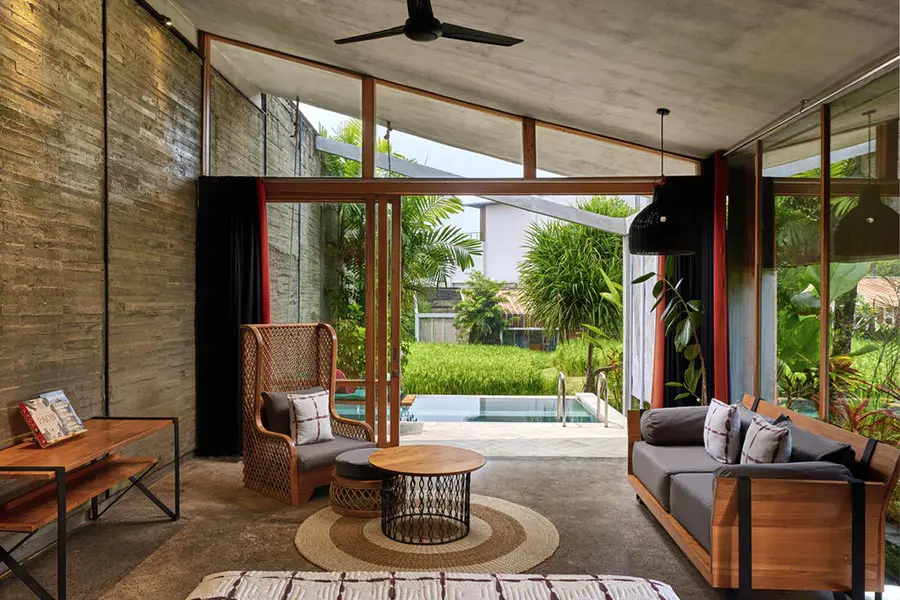
Modern hotels in Canggu blend Balinese heritage with contemporary minimalism, creating spaces that feel both rooted and fresh. Architects prioritize natural ventilation, open floor plans, and the seamless flow between indoor and outdoor areas to enhance guest comfort in the tropical climate.
Materials such as reclaimed wood, stone, and bamboo are carefully selected not only for their aesthetic appeal but also for sustainability. By using locally sourced elements, designers reduce environmental impact while supporting the community.
Spatial Organization and Guest Experience
The layout of a Canggu hotel is often organized around a central courtyard, which acts as a social hub and a visual anchor. This arrangement encourages spontaneous interactions among guests and provides a tranquil retreat from the bustling streets.
Rooms are positioned to capture the best views—whether it’s the surf‑lined beach or the verdant rice paddies—ensuring that each stay feels uniquely connected to the surrounding landscape.
How Architectural Features Influence Daily Routines

Morning sunlight streams through large sliding doors, naturally waking guests without the need for harsh artificial lighting. This design choice aligns with circadian rhythms, promoting better sleep quality and overall well‑being.
Communal areas such as lounges and co‑working spaces are designed with flexible furniture and acoustic panels, allowing guests to transition effortlessly from relaxation to productivity. The thoughtful placement of power outlets and high‑speed Wi‑Fi further supports this fluidity.
Wellness Integration Through Design
Designers incorporate dedicated wellness zones, including yoga decks and meditation gardens, that are strategically located near water features. The calming sound of flowing water enhances mindfulness practices and reduces stress throughout the day.
For those seeking a therapeutic touch, the on‑site spa offers a range of treatments. Canggu Massage services are nestled in a serene pavilion, allowing guests to unwind while remaining fully immersed in the resort’s architectural narrative.
Design Elements That Shape Social and Private Moments
Evening lighting is carefully curated using warm LED fixtures and lanterns that mimic traditional Balinese torches, creating an inviting ambiance for dinner or a nightcap. These subtle details encourage guests to linger and savor the atmosphere.
Private balconies and terraces are designed with privacy screens made from woven rattan, offering secluded spaces for couples or solo travelers to enjoy a quiet moment without feeling isolated from the hotel’s communal energy.
Celebrations and Events Within Architectural Context
The versatile event spaces are adaptable for everything from corporate retreats to intimate weddings. Thoughtful acoustic engineering ensures that speeches and music are heard clearly, while the surrounding design elements provide a stunning backdrop.
Couples looking to tie the knot can take advantage of the venue’s romantic settings. Canggu Wedding packages include access to beautifully landscaped gardens and beachfront pavilions, all designed to complement the ceremony’s aesthetic.
Choosing the Right Stay: The Role of Architecture in Guest Satisfaction
When selecting accommodation, travelers increasingly consider how design influences their daily experience. A well‑designed hotel not only offers comfort but also enriches the sense of place, making each moment memorable.
For visitors seeking a harmonious blend of style, sustainability, and functionality, the architectural approach of Canggu hotels stands out. By staying at a property that thoughtfully integrates local culture and modern amenities, guests can fully engage with the spirit of the region.
Ultimately, the architecture of a hotel shapes everything from the first sunrise view to the final nightcap. Embracing these design principles ensures that each day in Canggu feels purposeful, restorative, and uniquely yours.
Conclusion
In Canggu, hotel design is more than aesthetic—it is a deliberate orchestration of light, material, and space that guides every aspect of a guest’s day. From sunrise to sunset, the architecture supports wellness, social connection, and personal reflection, creating an environment where visitors can truly thrive. Choosing a hotel that embodies these principles guarantees an experience that resonates long after the stay ends.